High-visibility digital signage
Key Takeaways
- High-brightness displays are essential for visibility in outdoor settings.
- Anti-glare technology enhances readability under direct sunlight.
- Choosing the right digital signage can significantly impact advertising effectiveness.
- Various applications exist, including menu boards and interactive kiosks.
- Weatherproof features are crucial for outdoor installations.
In today's fast-paced world, high-visibility digital signage plays a crucial role in effectively communicating messages in outdoor environments. From advertising to informational displays, ensuring that your digital signage stands out against bright sunlight and inclement weather is vital. This article will explore the features and benefits of high-visibility digital signage, focusing on display brightness and anti-glare technology.
Understanding high-visibility digital signage
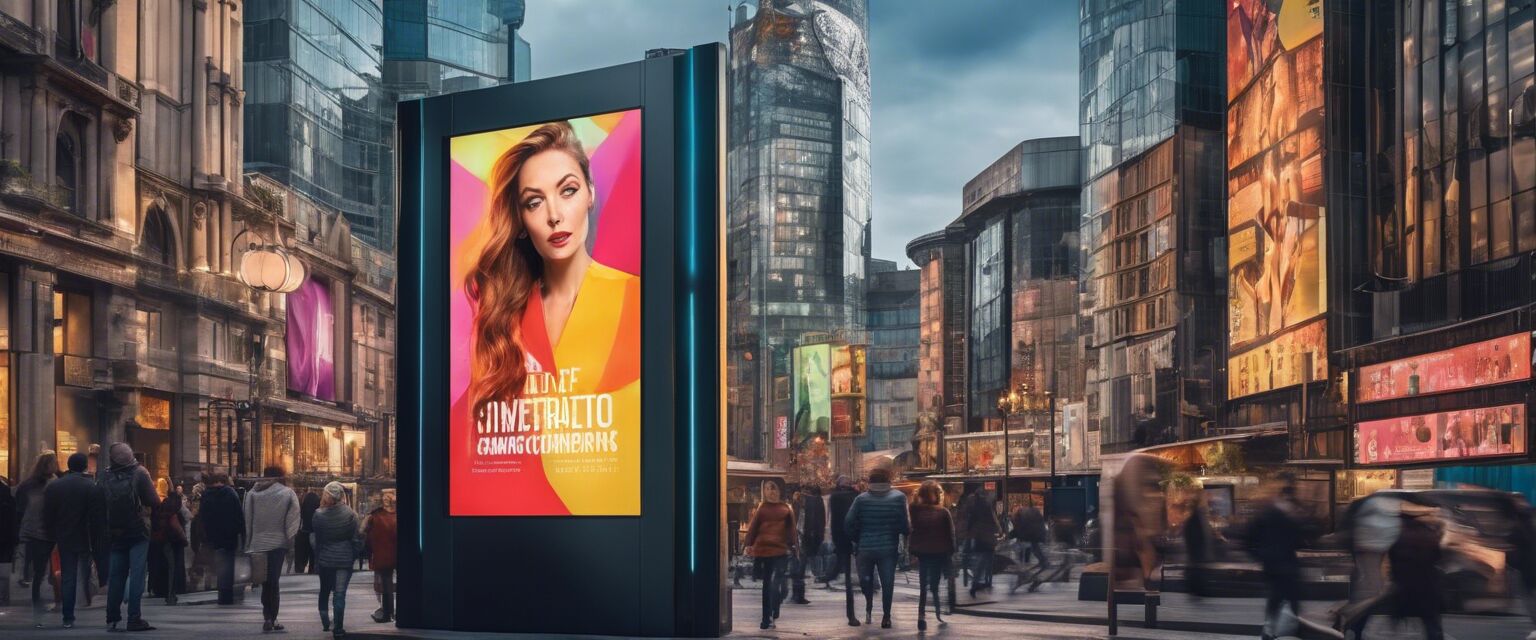
High-visibility digital signage refers to displays designed to be easily readable in bright outdoor conditions. These displays are commonly used in various settings, including retail locations, restaurants, and public spaces. The effectiveness of these displays depends on several factors, including brightness, contrast, and the presence of anti-glare features.
Importance of display brightness
The brightness of a digital display, measured in nits, is a key factor in its visibility outdoors. Here is a quick comparison of typical brightness levels:
| Display Type | Brightness (nits) |
|---|---|
| Standard LCD | 200-400 |
| High-brightness LCD | 500-1500 |
| LED Displays | 1000-5000 |
As illustrated above, standard LCD displays may not provide sufficient brightness for outdoor use. High-brightness displays, particularly LED technology, are better suited for such environments.

Anti-glare technology
Anti-glare technology is another important feature of high-visibility digital signage. It helps reduce reflections and improves readability in bright sunlight. Here are some common anti-glare solutions:
- Matte screen coatings
- Specialized glass treatments
- Low-reflective surfaces
By minimizing glare, these technologies enable viewers to read and comprehend messages more effectively, even under direct sunlight.
Applications of high-visibility digital signage
High-visibility digital signage can be utilized in various applications, enhancing communication in different environments. Here are some popular uses:
- Digital menu boards in restaurants
- Interactive kiosks in malls and public areas
- High-brightness screens for advertising
- Weatherproof displays for outdoor events
- LED billboards for large-scale advertising
Factors to consider when choosing high-visibility digital signage
When selecting the right digital signage for your needs, consider the following factors:
- Brightness: Ensure the display has adequate brightness for your location.
- Anti-glare features: Look for technologies that enhance visibility in direct sunlight.
- Weather resistance: Ensure the display can withstand outdoor conditions.
- Installation location: Consider where the display will be placed and its exposure to environmental elements.
- Content management: Choose a display that supports easy content updates and scheduling.
Comparison of high-brightness display types
| Display Type | Brightness (nits) | Cost | Best Use Cases |
|---|---|---|---|
| High-brightness LCD | 500-1500 | Moderate | Retail, Menu Boards |
| LED Display | 1000-5000 | Higher | Billboards, Large Venues |
| OLED Display | 800-1200 | Highest | Art Installations, High-End Retail |
Benefits of high-visibility digital signage
Investing in high-visibility digital signage offers numerous advantages, including:
Pros
- Enhanced visibility in bright environments.
- Increased engagement and customer interaction.
- Flexibility in content management and updates.
- Durability and weather resistance for outdoor use.
Cons
- Higher initial investment compared to standard displays.
- Potential maintenance costs for outdoor displays.
- Requires proper installation for optimal performance.

Conclusion
High-visibility digital signage is an essential tool for effective communication in outdoor environments. By focusing on display brightness and anti-glare technology, businesses can enhance their visibility and engagement with customers. When selecting a digital signage solution, consider the various applications and factors discussed in this article to ensure you make the best choice for your needs.
Tips for beginners
- Start by assessing your target audience and location.
- Test different display types to find the best fit.
- Regularly update content for maximum engagement.
- Invest in quality installation to ensure durability.
- Utilize analytics tools to measure effectiveness.