Solar-Powered Digital Displays
Key Takeaways
- Solar-powered digital displays are energy-efficient solutions for outdoor advertising.
- They require minimal installation effort and can be placed in remote locations.
- Weather resistance is essential for longevity and performance.
- Consider battery storage and solar panel efficiency for optimal performance.
In recent years, solar-powered digital displays have emerged as a sustainable alternative for outdoor advertising and information dissemination. With a focus on energy efficiency and minimal environmental impact, these displays harness the power of the sun to deliver vibrant content while reducing electricity costs. This article explores the benefits, installation considerations, and best practices for using solar-powered digital displays.
What are solar-powered digital displays?
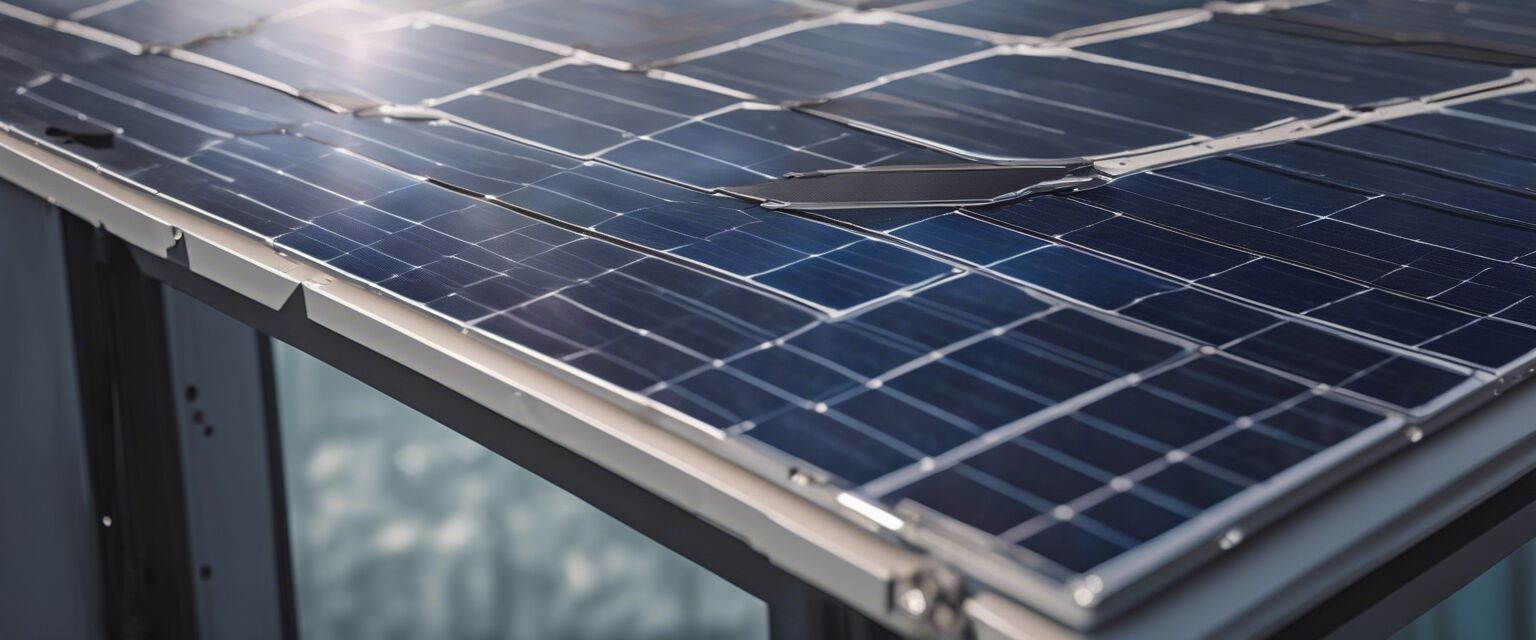
Solar-powered digital displays are electronic signage solutions that utilize solar panels to convert sunlight into electricity. This renewable energy source powers the display, making it an eco-friendly option for businesses and organizations looking to enhance their outdoor advertising efforts.
Advantages of solar-powered digital displays
- Energy Efficiency: These displays significantly reduce reliance on traditional power sources.
- Cost Savings: Lower electricity bills and minimal maintenance costs can lead to long-term savings.
- Environmentally Friendly: Utilizing renewable energy contributes to a reduction in carbon footprint.
- Flexibility in Placement: Ideal for remote locations where electrical supply may be limited.
Installation considerations
When installing solar-powered digital displays, several factors should be considered:
- Location: Select a site with ample sunlight exposure to maximize solar panel efficiency.
- Weather Resistance: Ensure the display is designed to withstand various weather conditions.
- Battery Storage: Consider incorporating a battery backup system for continuous operation during cloudy days or at night.
- Mounting Options: Evaluate different mounting options based on the location and display size.
How solar-powered digital displays work
Solar-powered digital displays typically consist of the following components:
| Component | Description |
|---|---|
| Solar Panels | Convert sunlight into electricity to power the display. |
| Display Screen | Showcases digital content such as advertisements, information, or notifications. |
| Battery Storage | Stores excess energy generated for use when sunlight is insufficient. |
| Controller | Manages the content displayed and monitors energy consumption. |
Best practices for maintaining solar-powered digital displays
To ensure optimal performance and longevity, consider the following maintenance practices:
- Regularly clean the solar panels to remove dust and debris.
- Inspect electrical connections and components for wear and tear.
- Monitor battery levels and replace batteries as needed.
- Update content regularly to keep the display relevant and engaging.
Comparison of solar-powered displays with traditional displays
| Feature | Solar-Powered Displays | Traditional Displays |
|---|---|---|
| Power Source | Solar energy | Electricity |
| Installation Cost | Higher initial costs, lower long-term costs | Lower initial costs, higher long-term costs |
| Environmental Impact | Minimal | Higher |
| Placement Flexibility | High | Low |
Conclusion
Solar-powered digital displays represent a powerful step towards sustainable advertising and information sharing. Their efficiency, cost savings, and minimal environmental impact make them an attractive choice for businesses and organizations. By considering the installation requirements and maintenance practices outlined in this article, users can maximize the benefits of solar-powered displays in outdoor environments.
Tips for beginners
- Start with a clear understanding of your display needs and goals.
- Research different models and manufacturers to find the right fit.
- Consult with professionals for installation and maintenance recommendations.
- Utilize online resources for troubleshooting and best practices.
Pros
- Low operating costs
- Eco-friendly solution
- Versatile placement options
- Reduced dependence on electrical grids
Cons
- Higher initial investment
- Performance may vary based on location and weather
- Requires regular maintenance
For more information on related topics, check out our articles on High-brightness screens, Weatherproof displays, and Portable digital signage.