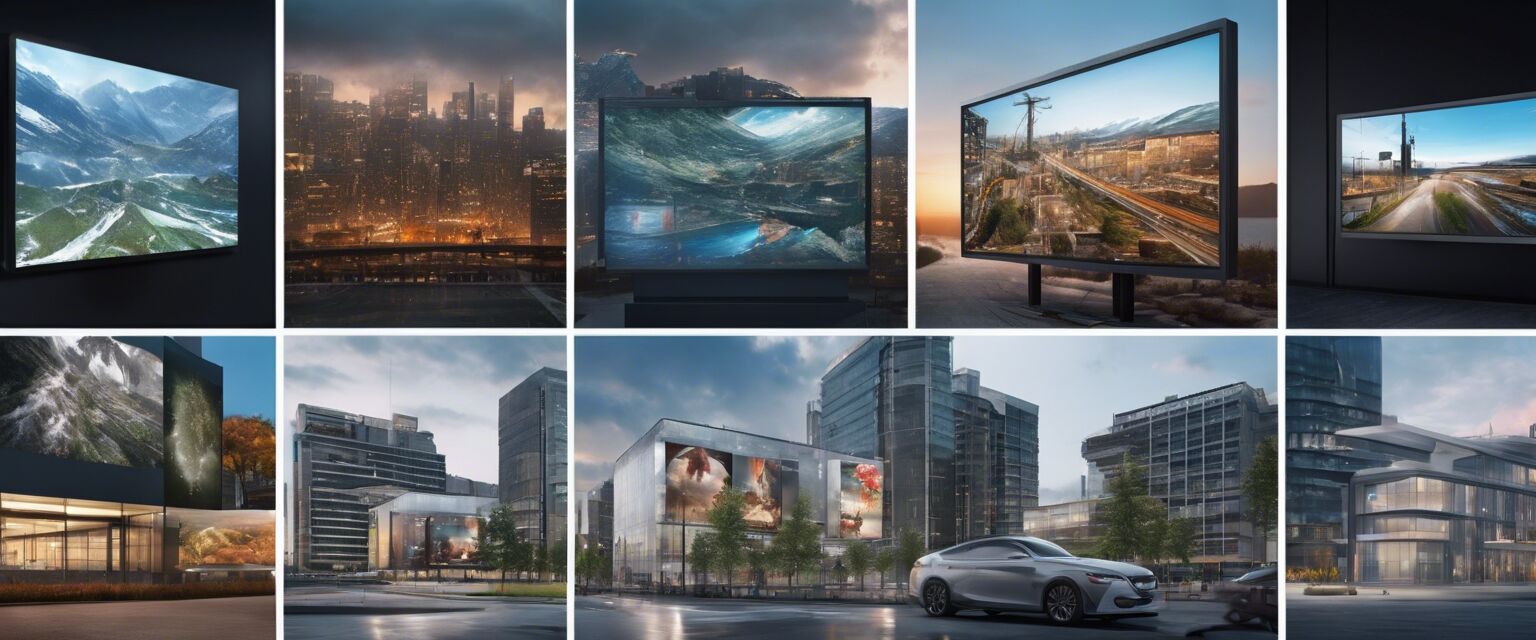
Introduction to Outdoor Digital Displays
Key Takeaways
- Outdoor digital displays enhance visibility and engagement in outdoor environments.
- They are adaptable to various weather conditions with weather-resistant technologies.
- Common applications include advertising, informational signage, and event promotions.
- Understanding different types of outdoor digital displays assists in selecting the right solution for your needs.
Outdoor digital displays have revolutionized how we communicate and advertise in open-air environments. From high-brightness screens that capture attention even in direct sunlight to interactive kiosks that engage customers effectively, these displays are becoming indispensable tools for businesses today. This article provides an overview of outdoor digital displays, their numerous benefits, and common applications, helping you understand why investing in such technology is crucial.
What are outdoor digital displays?
Outdoor digital displays refer to electronic signboards designed specifically for outdoor use. They utilize LED or LCD technology to present information, graphics, and videos dynamically. These displays are frequently employed for advertising, public information, promotional activities, and more. Here are a few key aspects:
| Feature | Description |
|---|---|
| Visibility | High-brightness technology ensures visibility in various lighting conditions. |
| Durability | Built to withstand outdoor elements like rain, snow, and extreme temperatures. |
| Interactivity | Many displays come equipped with touch screens or sensors for user interaction. |
Benefits of outdoor digital displays
Investing in outdoor digital displays offers multiple advantages for businesses, which include:
- Increased visibility: Bright and colorful displays attract attention from a distance.
- Dynamic content: Change messages easily and frequently without the need for printed materials.
- Cost-effective: Over time, reduce printing and labor costs associated with traditional signage.
- Enhanced engagement: Interactive displays can engage customers directly, improving their experience.
- Weather resistance: Designed to function in various environmental conditions, ensuring year-round operation.
Common Applications of Outdoor Digital Displays
Outdoor digital displays are versatile and utilized across numerous industries. Below are some prevalent applications:
- Advertising: Promotional content for businesses, events, and services.
- Informational signage: Directions, maps, and real-time information for transportation hubs.
- Event promotions: Announce upcoming events or highlight special offers.
- Menu boards: Used in restaurants to display menus and daily specials.
Types of outdoor digital displays
Understanding the different types of outdoor digital displays can help businesses choose the right solution based on their needs. Here are some common types:
| Type | Description | Best For |
|---|---|---|
| Digital Menu Boards | Interactive displays specifically for restaurants, showcasing menus and prices. | Fast food restaurants, cafes |
| High-Brightness Screens | Displays designed for maximum visibility in bright sunlight. | Billboards, street advertising |
| Interactive Kiosks | Touch-screen displays that allow users to interact and retrieve information. | Malls, trade shows |
| LED Billboards | Large displays showcasing advertisements in high resolution. | Major highways, city centers |
| Weatherproof Displays | Durable units built to withstand extreme weather conditions. | Parks, outdoor events |
Choosing the right outdoor digital display
Selecting the appropriate outdoor digital display requires careful consideration of several factors. Here are key points to keep in mind:
- Location: Ensure the display is suitable for the intended location, considering visibility and viewing distance.
- Weather Conditions: Choose a display that meets the requirements of local weather patterns.
- Purpose: Clearly define the intended use of the display to select the right technology.
- Budget: Consider overall costs, including installation, maintenance, and content management.
Key Considerations Before Installation
Before you purchase and install an outdoor digital display, consider the following:
- Local regulations and permits required for digital signage.
- Power supply requirements and connectivity options.
- Accessibility for maintenance and content updates.
- Support for your digital signage software and hardware.
Conclusion
Overall, outdoor digital displays represent a powerful medium for reaching and engaging with your audience. By understanding the various types of displays and their applications, businesses can select the right solution that maximizes visibility and effectiveness. Whether it's for advertising, information dissemination, or engaging potential customers, the versatility and adaptability of outdoor digital displays make them essential in modern marketing strategies.
Tips for Beginners
- Prioritize quality over quantity in choosing displays to ensure durability and effectiveness.
- Invest in quality content management software to easily update and manage your displays.
- Consider professional installation for complex systems to ensure proper setup and functioning.
Pros
- High visibility grabs attention.
- Real-time updates improve relevance.
- Cost-effective in the long run.
- Can target specific demographics.
Cons
- High initial investment cost.
- Regular maintenance required.
- Content must be carefully managed to avoid clutter.
- Dependence on technology for updates.